
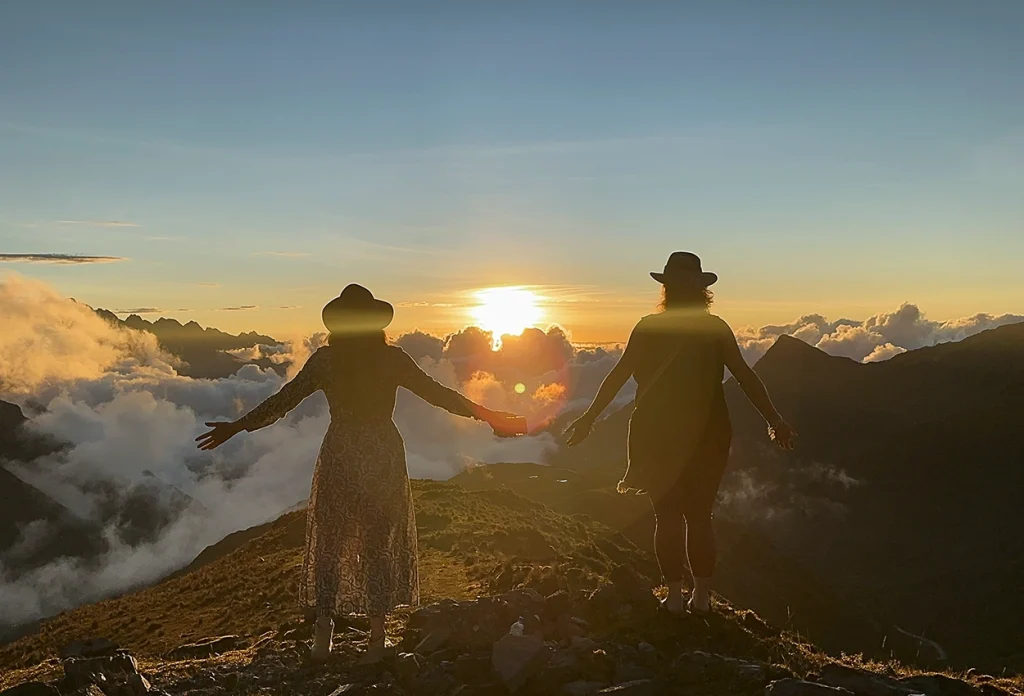
A spiritual journey in Peru is more than a vacation. It is an opportunity to slow down, reconnect with yourself, experience the living traditions of the Andes, and visit places that have held deep meaning for generations.
From the mountains surrounding Cusco to the peaceful landscapes of the Sacred Valley, Peru offers an environment that naturally encourages reflection. Preparing carefully will help you experience the journey with greater comfort, awareness, and respect.
Choose the Right Spiritual Experience
Spiritual journeys in Peru can take many forms. Some travelers are interested in meditation, Andean ceremonies, sacred sites, cultural immersion, or a combination of these experiences.
Before choosing a retreat or itinerary, consider what you want from the journey:
- Personal reflection and emotional renewal
- Connection with Andean culture
- Visits to sacred archaeological sites
- Meditation in natural surroundings
- A small and supportive travel group
- Time away from a busy daily routine
There is no single correct way to experience Peru spiritually. The most meaningful journey is one that respects your personal needs and allows enough time to experience each place without rushing.
Prepare for the Altitude
Cusco is located approximately 3,400 meters above sea level. Even travelers who are physically active can feel the effects of altitude during their first days.
Common symptoms may include tiredness, headaches, shortness of breath, reduced appetite, or difficulty sleeping. Most visitors adapt gradually, but it is important to give your body time.
During your first days in Cusco:
- Rest after arriving.
- Drink plenty of water.
- Eat light meals.
- Avoid intense physical activity.
- Limit alcohol.
- Walk slowly and take regular breaks.
If you have an existing medical condition or concerns about altitude, speak with a healthcare professional before traveling.
Pack for Changing Andean Weather
Weather in the Andes can change quickly. Mornings may be cold, afternoons warm and sunny, and evenings cool again.
Bring comfortable layers that you can add or remove throughout the day. A practical packing list includes:
- Lightweight, breathable clothing
- A warm fleece or sweater
- A waterproof jacket
- Comfortable walking shoes
- Sun protection and sunglasses
- A reusable water bottle
- A small daypack
- Personal medication
- Insect repellent
- A notebook or journal
Neutral and comfortable clothing is usually best for ceremonies and visits to sacred places. Your guide will tell you if a particular activity requires special clothing.
Approach Andean Traditions With Respect
Andean spirituality is part of a living culture. Ceremonies and sacred places should not be treated simply as tourist attractions.
Listen carefully to your guide or Andean practitioner, ask respectful questions, and follow the instructions provided during ceremonies. Avoid interrupting important moments to take photographs. Always ask permission before photographing local people, ceremonial objects, or private rituals.
You do not need to understand every tradition immediately. Entering the experience with humility and curiosity is more valuable than arriving with fixed expectations.
Take Care of Your Physical and Emotional Well-Being
A spiritual journey can bring moments of peace, but it may also involve strong emotions. Allow yourself time to process each experience.
Try not to fill every hour of your itinerary. Quiet mornings, gentle walks, journaling, and time in nature can be just as valuable as organized activities.
If your journey includes an ancestral plant ceremony, provide complete and honest information about your physical health, mental health, medication, and previous experiences. Choose experienced facilitators who conduct appropriate screening, explain the process clearly, and provide support before, during, and after the ceremony.
You should never feel pressured to participate in an activity that makes you uncomfortable.
Stay Open Without Creating Expectations
It is natural to arrive in Peru hoping for clarity, healing, inspiration, or change. However, placing too much pressure on a single ceremony or destination can make it difficult to remain present.
Every traveler experiences the Andes differently. Some people feel an immediate emotional connection, while others appreciate the journey gradually through the landscapes, conversations, and quiet moments.
Allow the experience to unfold naturally. A spiritual journey does not need to produce a dramatic transformation to be meaningful.
Spend Time in Peru’s Sacred Landscapes
The Cusco region contains many places connected with Andean history and spirituality. Depending on your itinerary, your journey may include:
- Cusco and its ancient streets
- Sacsayhuaman
- The Sacred Valley
- Pisac
- Ollantaytambo
- High-Andean lakes
- Mountain communities
- Machu Picchu
Each place has its own history and cultural significance. Traveling with a knowledgeable local guide helps you understand more than the visible architecture and scenery.
Travel With a Responsible Local Team
The people accompanying you have an important influence on your experience. Look for a local operator that provides clear itineraries, realistic information, small groups, experienced guides, and respectful relationships with communities.
Before booking, ask what is included, who will lead the activities, how the company handles altitude or emergencies, and what kind of preparation is required.
At Sacred Journeys Peru, we welcome travelers as part of our extended family. Our journeys are designed to create meaningful connections with Peru’s landscapes, traditions, and living Andean wisdom while providing attentive support throughout the experience.
Give Yourself Time After the Journey
The experience does not necessarily end when you return home. Leave space to reflect on what you learned and how you want to apply it to your everyday life.
You may want to continue journaling, meditation, time in nature, or other practices that helped you feel more present during your travels.
The most lasting part of a spiritual journey is often found in the small changes you carry into your daily routine.
Frequently Asked Questions
When is the best time for a spiritual journey in Peru?
The dry season, generally from May through September, offers clearer weather for outdoor activities. The rainy season has greener landscapes and fewer visitors but requires more flexible planning.
How many days should I spend in Cusco?
Plan at least two days to adjust to the altitude before beginning demanding hikes or a full retreat program. A journey of seven to twelve days provides more time for cultural experiences and personal reflection.
Do I need previous spiritual experience?
No. You do not need experience with meditation or Andean traditions. An open mind, respectful attitude, and willingness to follow guidance are enough.
Begin Your Journey With Intention
Preparing for a spiritual journey in Peru means caring for your body, respecting local traditions, and remaining open to what the experience may bring.
Travel slowly, listen carefully, and allow the mountains and communities of the Andes to reveal their stories in their own time.
Sacred Journeys Peru is ready to help you plan a thoughtful and deeply personal journey through Cusco, the Sacred Valley, and Peru’s most meaningful sacred places.